

Diddy’s Defense Says “Freak Offs” Were Consensual — Now Prosecutors Must Prove Coercion

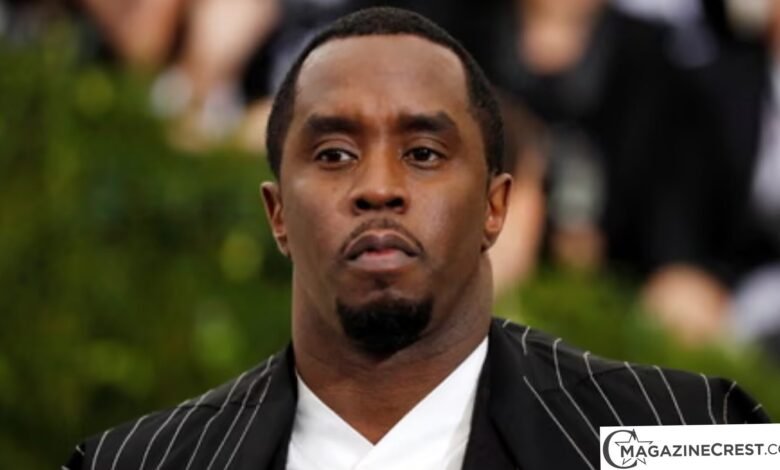
When Sean “Diddy” Combs walked into the courtroom this week, the headlines weren’t just about charges or evidence. They were about a phrase few expected to dominate a federal case: “freak offs.”
Diddy’s defense team is making one core argument — blunt, controversial, and legally critical. These encounters, they say, were consensual adult activities, not crimes. And under the law, that distinction could change everything.
Now, the pressure shifts squarely to prosecutors. They don’t just have to show what happened. They have to prove coercion.
So what exactly is Diddy’s defense arguing, why does consent matter so much here, and how could this strategy shape the outcome of one of the most closely watched celebrity trials in years?
Let’s break it down — clearly, carefully, and without the noise.
Quick Facts: Diddy Trial at a Glance
- Full Name: Sean John Combs
- Known As: Diddy, Puff Daddy
- Profession: Music mogul, producer, entrepreneur
- Case Focus: Allegations involving coercion and abuse
- Defense Claim: Alleged “freak offs” were consensual
- Key Legal Question: Can prosecutors prove coercion beyond consent?
What Are the Alleged “Freak Offs”?
The phrase entered public conversation after prosecutors described a series of private sexual encounters involving adults, some of whom now claim they were pressured, controlled, or manipulated.
Diddy’s defense does not deny that these encounters happened.
Instead, they argue something far more specific — and legally strategic.
They say these were consensual sexual situations between adults, occurring in private settings, without force, threats, or illegal restraint.
Those framing matters. A lot.
Because in criminal court, consent is a legal line, not a moral one.
Why Consent Is the Center of This Case
In simple terms, prosecutors must prove more than uncomfortable behavior or power imbalance. They must prove coercion.
That means showing evidence of:
- Force
- Threats
- Intimidation
- Control over someone’s freedom
- Or the inability to say no
The defense’s message is direct:
“Consensual behavior, even if unconventional, is not a crime.”
This argument forces prosecutors into a narrower lane. They must demonstrate that consent was either:
- Not freely given
- Withdrawn but ignored
- Or impossible due to fear, control, or manipulation
Without that proof, the case weakens.
The Defense’s Strategy: Reframe the Narrative
Diddy’s legal team is doing something very intentional.
They are reframing the story away from shock value and toward legal definitions.
Instead of arguing character, lifestyle, or reputation, they are asking jurors to focus on one question only:
Did the prosecution prove coercion — yes or no?
By acknowledging the existence of these encounters, the defense avoids appearing evasive. That transparency can matter in court.
It also strips away sensationalism and forces a fact-based discussion.
Videos, Messages, and Evidence — What the Defense Is Pointing To
According to defense statements, certain materials — including videos and communications — show participants engaging willingly.
They argue this evidence supports:
- Mutual participation
- Lack of physical restraint
- Absence of explicit threats
The defense position is not that the behavior was “normal.”
It’s that normal is not the legal standard.
Consent is.
Prosecutors’ Challenge: Power vs. Proof
The prosecution’s argument centers on power dynamics.
They suggest Diddy’s status, wealth, and influence created an environment where saying no felt impossible.
That argument resonates emotionally.
But legally, it’s complex.
Courts require more than imbalance. They require evidence of coercion, not assumption.
That’s the uphill climb prosecutors now face.
Why This Case Is Bigger Than Diddy
This trial isn’t just about one celebrity.
It touches a much larger legal and cultural debate:
- Where does consent begin and end?
- How do courts measure power dynamics?
- Can influence alone invalidate consent?
For celebrities, executives, and public figures, this case could shape how future allegations are argued — and defended.
Public Reaction: Divided, Emotional, and Loud
Online reaction has been intense.
Some believe the defense is minimizing harm.
Others argue that adults should not lose agency based on someone else’s status.
What’s clear is this:
Public opinion does not decide court cases. Evidence does.
And that distinction is exactly what Diddy’s defense is betting on.
Where the Case Stands Right Now
At this stage:
- The defense has clearly defined its legal position
- Prosecutors must now meet a higher burden
- The court will weigh testimony, evidence, and credibility
The outcome will depend less on headlines and more on how convincingly coercion can be proven.
Frequently Asked Questions
Who is Sean “Diddy” Combs?
Sean Combs is a Grammy-winning music producer, entrepreneur, and founder of Bad Boy Records, known for shaping modern hip-hop culture.
What are “freak offs” in the Diddy trial?
The term refers to alleged private sexual encounters described by prosecutors and acknowledged by the defense as consensual adult activity.
Is Diddy denying the encounters happened?
No. His defense argues the encounters were consensual and therefore not criminal.
What must prosecutors prove?
They must prove coercion — not just participation, discomfort, or power imbalance.
Has the trial concluded?
No. The case is ongoing, and no verdict has been reached at this time.
Final Take: Why This Defense Matters
Diddy’s defense is not about shock or spectacle.
It’s about legal precision.
By centering consent, his attorneys are forcing the prosecution to meet a strict standard — one that goes beyond public outrage or moral judgment.
Whether that strategy succeeds will depend on evidence, testimony, and how jurors interpret coercion in the modern age.
One thing is certain.
This case will be studied long after the verdict is read.
