

Diddy’s Jury Strategy Could Decide His Fate in One of America’s Most Watched Trials

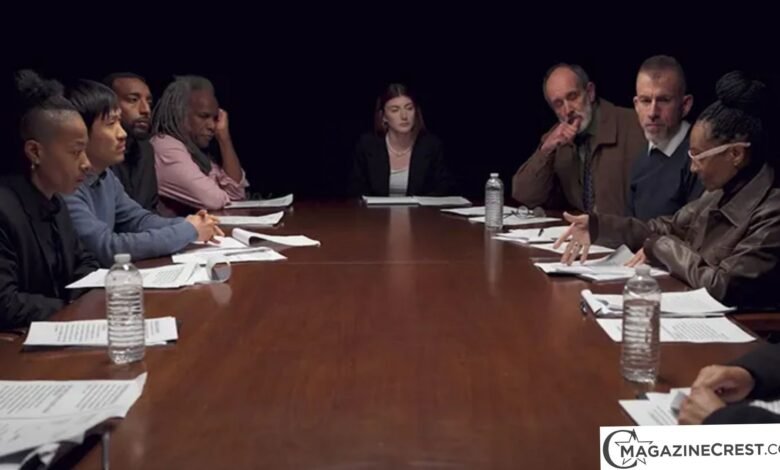
When Sean “Diddy” Combs walks into a federal courtroom, the battle won’t just be about evidence. It will be about people. Twelve strangers. Twelve different life experiences. And one decision that could redefine the legacy of one of hip-hop’s most powerful figures.
This isn’t just another celebrity legal drama. It’s a case where jury selection may matter as much as testimony, and where perception, power, and credibility collide. Legal experts agree on one thing: Diddy’s jury strategy could determine whether he walks free—or faces devastating consequences.
As the trial approaches, every move matters. And the question many Americans are asking is simple: Can Diddy’s team convince a jury to see him as a flawed mogul—or as a criminal who abused his power?
Quick Facts: Sean “Diddy” Combs
- Full Name: Sean John Combs
- Date of Birth: November 4, 1969
- Profession: Music executive, rapper, entrepreneur
- Known For: Bad Boy Records, fashion ventures, cultural influence
- Current Legal Status: Facing federal charges; awaiting trial
- Public Image: Once untouchable mogul, now under intense scrutiny
Why the Jury Matters More Than Ever in Diddy’s Trial
In high-profile cases, evidence alone rarely tells the full story. Jurors bring their own beliefs about celebrity, wealth, power, and accountability into the courtroom. And in Diddy’s case, those beliefs could be decisive.
Federal prosecutors allege long-term patterns of coercion, control, and abuse. The defense argues something very different: that everything was consensual, misrepresented, and inflated by media narratives.
That gap—between allegation and interpretation—is where juries decide outcomes.
This is why Diddy’s legal team is laser-focused on who gets selected, not just what gets said.
Inside Diddy’s Jury Selection Strategy
1. Favoring Skeptics of Media Narratives
Diddy’s attorneys are expected to look for jurors who:
- Question sensational headlines
- Are cautious about “trial by media”
- Believe celebrities are often targeted unfairly
This strategy aligns with the defense’s broader narrative: that public outrage has raced ahead of proof.
Anyone who admits they’ve already made up their mind based on social media? Likely dismissed.
2. Avoiding Jurors With Strong Power-Abuse Sensitivity
One of the prosecution’s strongest angles is power imbalance. Jurors who are deeply attuned to issues of coercion, workplace abuse, or exploitation may sympathize with accusers.
Expect the defense to carefully screen for:
- Strong advocacy backgrounds
- Personal experiences tied to abuse of authority
- Rigid views on wealth and accountability
This isn’t about denying harm exists—it’s about minimizing emotional bias inside the jury box.
3. The Celebrity Effect: Asset or Liability?
Diddy’s fame cuts both ways.
Some jurors may admire his rise from Harlem to global influence. Others may resent the privilege that fame brings. The defense must identify jurors who can separate status from guilt.
This is where comparisons matter. Recent celebrity trials show jurors increasingly willing to convict powerful figures—but only when the story feels clear, consistent, and credible.
Prosecutors Are Playing a Very Different Game
Federal prosecutors aren’t just presenting evidence. They’re building a moral narrative.
Their ideal jury likely includes people who:
- Believe wealth can shield wrongdoing
- View long-term patterns as more telling than single events
- Are comfortable holding powerful men accountable
They will emphasize repetition, consistency, and structure—arguing that this isn’t about lifestyle choices, but about systematic control.
That framing is critical. And it’s why jury selection may become the most aggressive phase of the trial.
How Public Figures Are Being Pulled Into the Spotlight
As the case unfolds, Diddy’s orbit is under scrutiny—and that includes other major celebrities.
Recently, LeBron James publicly addressed his name being linked to Diddy-related allegations, pushing back against online speculation and misinformation. His response highlights how quickly association turns into accusation in the court of public opinion.
You can read more context on that here:
👉 LeBron James speaks out on new Diddy allegations
The spillover effect matters. Jurors don’t live in isolation. They absorb headlines, debates, and cultural reactions—even when instructed not to.
The Defense’s Most Controversial Argument: Consent
One of the most debated aspects of the case is the defense’s claim that alleged “freak offs” and encounters were consensual adult behavior, not criminal acts.
This argument places a heavy burden on prosecutors: proving coercion beyond reasonable doubt, not just discomfort or regret.
A deeper breakdown of this legal challenge is explored here:
👉 Diddy’s defense says “freak offs” were consensual — now prosecutors must prove coercion
For jurors, this distinction is everything. Consent isn’t always loud or obvious—but neither is coercion. How clearly each side explains that difference may decide the verdict.
What Makes This Trial Different From Past Celebrity Cases
Unlike fast-moving scandals, this case is methodical and federal. That changes the tone.
- Slower pace
- Higher evidentiary standards
- Less room for emotional theatrics
Jurors won’t be reacting to viral moments. They’ll be weighing patterns, timelines, and credibility over weeks.
And that favors whichever side tells the clearest, most believable story.
Where Diddy Stands Right Now
At this moment, Diddy is legally presumed innocent. Public opinion, however, is fractured.
Some see a mogul facing overdue accountability. Others see a powerful figure caught in a shifting cultural reckoning. Jurors will be asked to ignore both narratives—and focus solely on the law.
That’s easier said than done.
FAQs About Diddy’s Jury Strategy and Trial
Who is Sean “Diddy” Combs?
Sean Combs is a music executive and entrepreneur who founded Bad Boy Records and helped shape modern hip-hop culture. He is currently facing serious federal charges.
Why is jury selection so important in Diddy’s trial?
Because the case hinges on interpretation—consent versus coercion—jurors’ personal beliefs about power, fame, and credibility could strongly influence the verdict.
What is Diddy’s defense strategy?
His defense argues that all alleged activities were consensual and that media narratives have exaggerated or distorted the facts.
What are prosecutors trying to prove?
They aim to show a long-term pattern of coercion and abuse of power, not isolated or misunderstood encounters.
When will the trial take place?
The case is still moving through pre-trial phases, with jury selection expected to be a pivotal moment once proceedings begin.
Final Thought: A Trial Decided Before Opening Statements?
In many ways, Diddy’s fate may be shaped before the first witness ever takes the stand.
Jury selection isn’t procedural—it’s strategic. And in a trial where perception, credibility, and power dynamics are everything, the people chosen to listen may matter more than anything they hear.
This isn’t just a legal battle. It’s a cultural moment. And America will be watching—juror by juror.
