


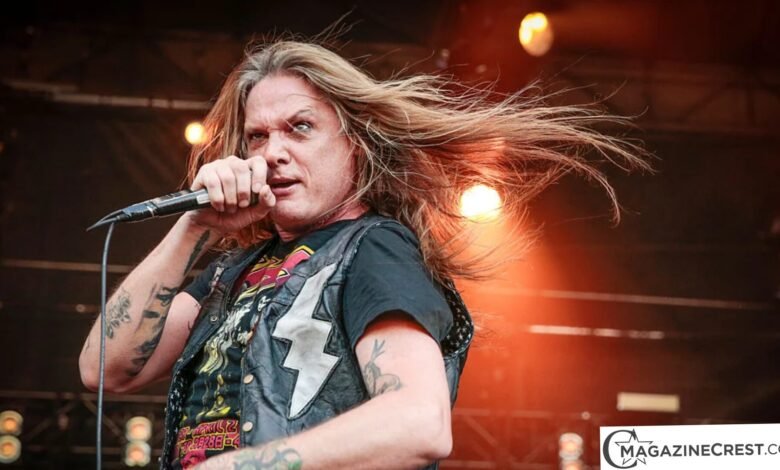
You know Sebastian Bach as the legendary voice behind Skid Row’s biggest anthems, but have you ever wondered how the rock icon actually makes his money today? Three decades after “18 and Life” dominated radio airwaves, Bach has built a surprisingly diverse financial empire that extends far beyond his metal roots.
Unlike many of his contemporaries who disappeared when grunge took over, Bach transformed himself into a multi-platform entertainer. From Broadway stages to reality TV, streaming royalties to VIP tour packages, he’s mastered the art of turning nostalgia into sustainable income. Let’s pull back the curtain on exactly how this rock legend keeps the money flowing.
The Foundation: Skid Row Royalties That Keep Giving
Even though Bach hasn’t been part of Skid Row since 1996, his voice still generates passive income every single day. The band’s self-titled 1989 debut album sold over five million copies in the United States alone, achieving multi-platinum status. Their follow-up, Slave to the Grind, made history by debuting at number one on the Billboard 200—a rare feat for a heavy metal album.
Here’s where it gets interesting: Bach continues earning royalties from these recordings through multiple channels. Every time someone streams “Youth Gone Wild” on Spotify, plays “I Remember You” on YouTube, or when classic rock stations spin these hits, royalty checks follow. The songs also generate licensing revenue when featured in films, TV shows, commercials, and video games.
However, there’s a crucial limitation. As his former manager Doc McGhee revealed in a 2021 interview with Golden Robot’s podcast, Bach doesn’t receive publishing royalties from Skid Row songs because he didn’t have songwriting credits. His income from the band comes purely from performance royalties as the vocalist, not from composition rights. This means he earns less per play than the actual songwriters, but the enduring popularity of tracks like “18 and Life” still provides consistent passive income.
Explore more: Sebastian Bach Net Worth
Solo Music Career: Building Independent Revenue
After leaving Skid Row, Bach didn’t fade away—he built a solo career with its own revenue streams. His solo discography includes:
- Angel Down (2007) – His first album with entirely original material, which sold over 200,000 copies worldwide
- Kicking & Screaming (2011) – Released after his divorce and Hurricane Irene disaster
- Give ‘Em Hell (2014) – Featuring collaborations with John 5, Duff McKagan, and Steve Stevens
- Child Within the Man (2024) – His most recent studio release
While these albums haven’t achieved the commercial success of his Skid Row work, they create multiple income opportunities. Bach owns the rights to his solo material, meaning he keeps a much larger percentage of streaming royalties, download sales, and physical album purchases. He also sells signed albums directly to fans at concerts and through his website, eliminating middlemen and maximizing profit margins.
The digital streaming era has been particularly kind to legacy artists like Bach. Platforms like Spotify, Apple Music, and YouTube provide ongoing revenue as new generations discover his music. His Skid Row catalog particularly benefits, as classic metal continues attracting younger listeners who weren’t alive during the band’s peak.
Touring: The Biggest Money Maker
Like most rock veterans, touring represents Bach’s primary income source. He maintains an active touring schedule, typically performing 50-80 shows annually across North America, Europe, South America, and Japan.
His setlists cleverly balance fan expectations with his creative interests. He performs Skid Row classics that audiences demand while incorporating his solo material, creating shows that satisfy nostalgia while promoting current work. This strategy keeps ticket sales strong—fans know they’ll hear the hits they love.
Beyond standard ticket sales, Bach has embraced modern concert revenue strategies:
VIP Packages and Meet-and-Greets: Premium experiences can cost $100-300 per person, including backstage access, photos with Bach, exclusive merchandise, and early venue entry. With 20-30 VIP packages sold per show, this adds $2,000-9,000 per concert.
Merchandise Sales: Tour merchandise typically generates 15-20% of a concert’s total revenue. Bach sells t-shirts, hoodies, posters, signed albums, and exclusive tour items. At a typical show with 500-1,000 attendees, merchandise can add $3,000-7,000 to the night’s take.
Special Anniversary Tours: In 2019, Bach toured for the 30th anniversary of Skid Row’s debut album, performing it in its entirety. In 2021, he launched a similar tour for Slave to the Grind‘s 30th anniversary. These themed tours command premium ticket prices because they offer unique experiences fans can’t get elsewhere.
According to Blabbermouth, Bach’s management team has navigated his career transitions strategically, helping him maintain relevance in an industry that quickly forgets yesterday’s stars.
Read more: Sebastian Bach’s Most Successful Albums and Tours Revenue
Broadway and Theater: The Unexpected Goldmine
Bach’s transition to Broadway in 2000 shocked rock fans but proved financially savvy. His theatrical work includes:
Jekyll & Hyde (2000, 2004): Bach starred in the demanding dual title role, showcasing his vocal range in a completely different context. Broadway leading actors typically earn $2,000-3,000 per week for eight performances. His four-month initial run likely generated $32,000-48,000, with additional income from the 2004 revival.
The Rocky Horror Show (2001): Playing Riff Raff allowed Bach to embrace his theatrical side while earning steady Broadway wages.
Jesus Christ Superstar (2002): The national touring production of this iconic musical provided both income and exposure to audiences who might never attend a rock concert.
These roles weren’t just about money—they kept Bach visible during a period when many of his contemporaries struggled for relevance. As Playbill documented, his Jekyll & Hyde performances earned rave reviews and standing ovations, with producers even raising some songs a full octave to showcase his incredible range.
Broadway work also provided stability that touring couldn’t match. Unlike the unpredictable income from album sales or the physical demands of constant touring, eight shows per week delivered reliable paychecks for extended periods.
Television and Reality Shows: Building Brand Value
Bach has leveraged television appearances into both direct income and increased concert ticket sales. His TV work spans multiple genres:
Reality Television
Supergroup (VH1, 2006): This reality show paired Bach with Ted Nugent, Jason Bonham, Scott Ian, and Evan Seinfeld to form a supergroup called Damnocracy. Reality TV participants typically earn $10,000-50,000 per episode, and this seven-episode series provided both income and massive exposure.
Gone Country (CMT, 2008): Bach won the second season of this competition show, which included both prize money and renewed public interest in his music.
Celebrity Fit Club: His weight loss journey on this VH1 show connected him with audiences who might never attend his concerts.
The Masked Singer (2023): Competing as “Tiki” in season 10 introduced Bach to a younger, mainstream audience.
Scripted Television
Gilmore Girls (2003-2007, 2016): Bach’s recurring role as “Gil,” the guitarist in Hep Alien, became a fan favorite. According to Wikipedia, this exposure led to guest spots on other shows and solidified his crossover appeal.
Trailer Park Boys (2007, 2014): His appearances on this cult Canadian comedy further diversified his fanbase and demonstrated his comedic timing.
TV work pays in multiple ways. Direct compensation for appearances ranges from $5,000-25,000 per episode for reality shows, and typically $15,000-40,000 per episode for scripted series regulars. More importantly, each appearance drives Google searches, social media follows, and ultimately ticket sales for his tours.
Learn about: Maria Aquinar
Merchandise and Licensing: The Overlooked Revenue Stream
As a former member of Skid Row, Bach benefits from ongoing band merchandise sales. While the exact percentage isn’t public, original band members typically receive royalties from official band-branded merchandise sold through retail outlets and online stores.
His solo merchandise operation generates more direct income. At concerts, Bach sells:
- T-shirts ($30-40)
- Hoodies ($50-70)
- Posters ($20-30)
- Signed albums ($40-60)
- Exclusive tour merchandise
Online, his official website offers additional products, from classic tour shirts to newly designed items. Direct-to-consumer sales maximize profit margins by eliminating retail markup.
Licensing his name and likeness provides another income stream. When his image appears in documentaries about the 1980s metal scene, in VH1 countdown shows, or in magazines and websites, licensing agreements generate payments.
Digital Platforms and Streaming
The streaming era transformed how artists earn money, and Bach has adapted successfully. While streaming pays fractions of a penny per play, the volume adds up:
Spotify: Skid Row’s biggest hits have tens of millions of streams each. “18 and Life” alone has over 200 million plays. Even at $0.003-0.005 per stream, this generates substantial ongoing revenue.
YouTube: Official music videos, live performances, and lyric videos generate ad revenue through YouTube’s partner program. Bach’s official channel and videos on Skid Row’s channel both contribute income.
Licensing Services: When his Skid Row recordings appear on streaming service playlists like “80s Metal Essentials” or “Classic Rock Anthems,” each play generates micro-payments.
The beauty of streaming revenue is its passive nature. Bach doesn’t need to do anything new—listeners continually discovering or rediscovering his music generate income 24/7.
Publishing and Literary Revenue
In 2016, Bach released his memoir, 18 and Life on Skid Row, published by Dey Street Books (HarperCollins). The book became a bestseller in the rock and roll category, chronicling his journey from the Bahamas to international fame.
Authors of bestselling memoirs typically earn $100,000-500,000 through advances and royalties, depending on sales performance and promotional efforts. Bach’s book benefited from his existing fanbase and extensive media appearances during the promotional tour, including interviews on major podcasts, radio shows, and TV programs.
The memoir continues generating passive income through ongoing sales of physical copies, ebooks, and audiobooks. It also serves as a marketing tool, keeping his name in public consciousness and driving interest in his other ventures.
Discover more: Paris Bierk
Guest Appearances and Collaborations
Bach regularly collaborates with other artists, generating both income and maintaining industry relevance:
Guns N’ Roses: He toured as an opening act for their “Chinese Democracy Tour” (2009-2010) and performed with Axl Rose on multiple occasions. He also contributed backing vocals to “Sorry” on their album Chinese Democracy. Opening slots for major tours pay $10,000-50,000 per show, depending on the venue size.
Frameshift: His 2005 collaboration with Henning Pauly on An Absence of Empathy showcased his versatility and reached progressive metal audiences.
Various Artists: Guest vocal appearances on other artists’ albums typically include session fees plus royalty percentages if the albums sell well.
These collaborations serve multiple purposes: immediate session fees, ongoing royalty income if the projects succeed, and most importantly, exposure to new audiences who might then explore Bach’s solo work or attend his concerts.
Real Estate and Investments
While Bach’s real estate ventures haven’t always been profitable, they represent his attempts at financial diversification. His most notable property was a Lincroft, New Jersey home purchased in 1990 for $358,500. Unfortunately, Hurricane Irene destroyed the property in 2011, and he eventually sold it in 2015 for $272,500—a significant loss.
Despite this setback, Bach has owned properties in multiple states, including California and Florida. Real estate provides both personal use and potential rental income during touring periods.
Information about other investments remains private, but Bach has likely diversified into traditional investment vehicles like stocks, bonds, and retirement accounts, following standard wealth management advice for high-earning entertainers.
Social Media and Direct Fan Engagement
Bach maintains an active presence across social media platforms, using them both for promotion and direct revenue:
Instagram, Twitter/X, and Facebook: His combined following exceeds 500,000, providing a direct marketing channel to fans. He promotes tours, merchandise, and projects without paying for advertising.
Crowdfunding and Direct Sales: Some artists use platforms like Patreon for exclusive content, though Bach primarily uses social media to drive traffic to his official website and merchandise store.
Personalized Content: Video greeting services like Cameo allow celebrities to create personalized messages for fans. While it’s unclear if Bach currently uses such platforms, they represent an income opportunity many musicians embrace.
The Business Side: Revenue Breakdown
While exact figures aren’t public, industry standards suggest Bach’s annual income likely breaks down roughly as:
- Touring and Live Performances: 60-70%
- Streaming and Music Royalties: 15-20%
- Television and Acting Work: 5-10%
- Merchandise and Licensing: 5-10%
- Other Ventures (Books, Collaborations): 5%
This diversification protects Bach from the instability that plagued single-income-stream musicians. When album sales declined industry-wide, he had touring revenue. When physical album sales crashed, streaming provided new income. When rock radio airplay decreased, reality TV kept him visible.
Explore his family: London Bierk
Lessons from Bach’s Financial Strategy
Sebastian Bach’s income streams offer valuable lessons for artists and entrepreneurs:
Diversify Aggressively: By spreading across music, theater, television, and merchandise, Bach created multiple income streams that stabilize his overall earnings.
Embrace Reinvention: His willingness to try Broadway and reality TV opened doors that pure rock stubbornness would have kept closed.
Leverage Nostalgia: Rather than fighting fans’ desire to hear Skid Row songs, he embraced them while also promoting new material.
Adapt to Technology: Instead of complaining about streaming’s low payouts, Bach ensured his catalog was properly uploaded and monetized across all platforms.
Maintain Quality: His continued vocal prowess allows him to command respect and ticket prices that some aging rockers can’t match.
The Bottom Line
Sebastian Bach has transformed himself from a one-band wonder into a diversified entertainment professional. While his net worth varies by source (estimates range from $1.5 million to $12 million depending on the valuation method), what’s clear is that he’s built sustainable income through smart career choices.
His story proves that adaptation beats stubbornness in the entertainment business. By embracing Broadway when rock radio dried up, by jumping into reality TV when it was still controversial for rock musicians, and by maintaining an active touring schedule when others retired, Bach created a financial foundation that supports him decades after his commercial peak.
The rock icon who once threw tantrums and got fired from his band has evolved into a savvy entertainer who understands that great vocals alone don’t pay the bills—you need strategy, hustle, and willingness to surprise your audience. And that’s exactly what Sebastian Bach continues delivering, both on stage and in his bank account.
